Why Do Gel Nails Peel Off So Quickly?
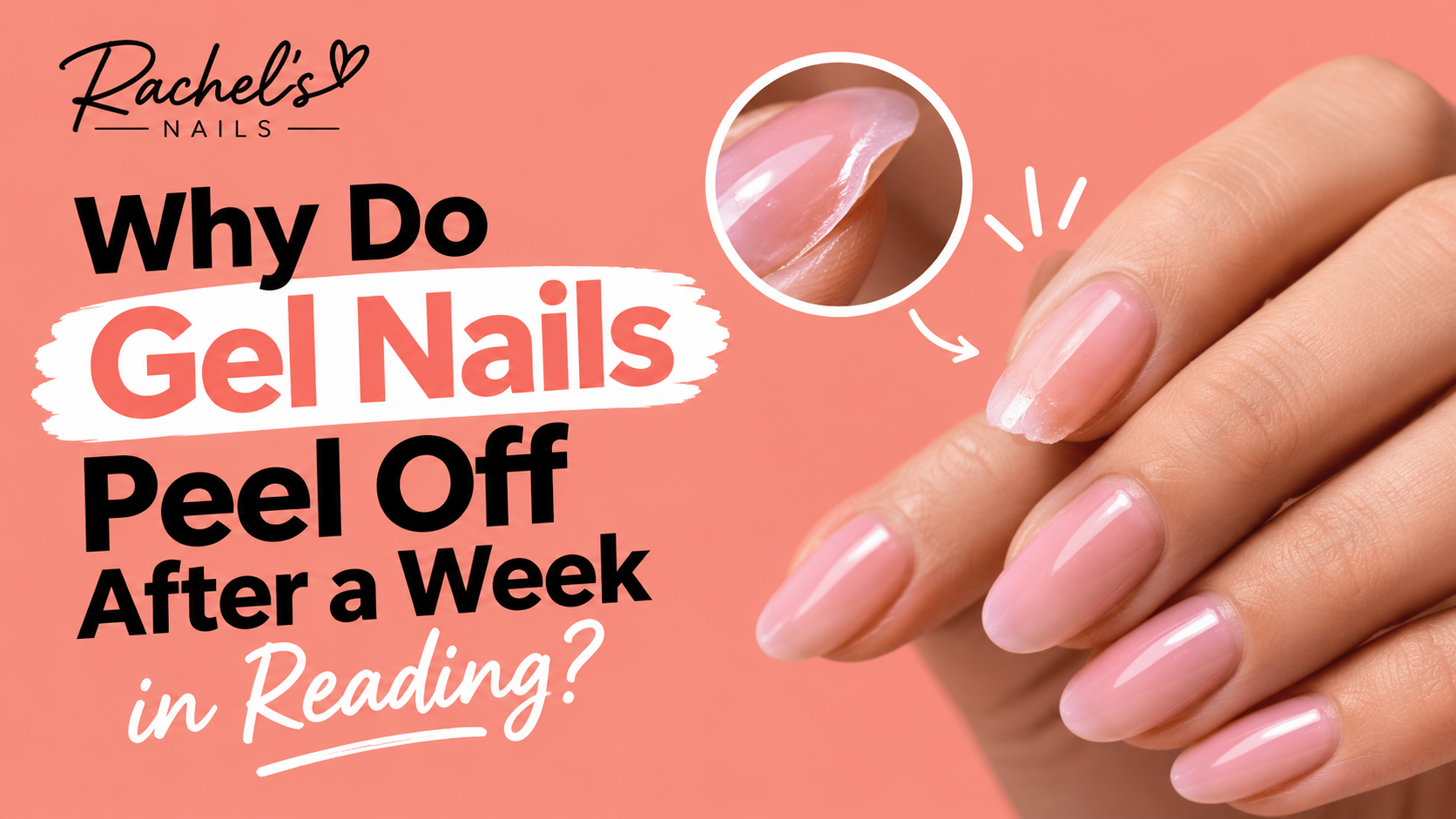
Gel polish is designed to adhere to the natural nail, but it doesn’t behave exactly the same way on every person. Some clients naturally have stronger, less flexible nails, while others have nails that bend more easily, produce more surface oil or have areas of previous damage.
When we see gel polish peeling after a week, we usually consider several possible causes rather than immediately blaming the product.
1. The Natural Nail Wasn’t Properly Prepared
Preparation is one of the most important parts of a gel manicure. Before applying gel polish, we need to make sure the natural nail is clean, dry and properly prepared.
If there is moisture, oil, dust or leftover product on the nail plate, the gel may not adhere as well as it should.
We also pay attention to the cuticle area. Sometimes, a thin layer of cuticle remains attached to the nail plate even when the nail looks clean. If gel is applied over this area, lifting can develop as the manicure wears.
Proper preparation doesn’t mean aggressively filing the natural nail. In fact, excessive filing can make the nail thinner and more vulnerable to damage.
At Rachel’s Nails, we believe careful preparation should protect the natural nail while giving the gel the right surface to adhere to.
2. Gel Polish Has Touched the Skin or Cuticle
Another common reason for early peeling is gel polish touching the surrounding skin.
When gel gets too close to the cuticle or flows onto the skin, it can create a weak area around the edge of the nail. Once that area starts lifting, water and everyday movement can make the problem worse.
We often find that clients notice peeling first around the cuticle or along one side of the nail.
A neat application with a small, consistent gap around the cuticle is generally better than trying to cover as much of the nail as possible.
This is also why we don’t recommend rushing a gel manicure. Taking time with each nail helps us achieve a cleaner finish and reduces the chance of product touching the skin.
3. Your Nails Are Naturally Thin or Flexible
Not everyone’s natural nails are the same.
Some nails are naturally flexible, while others may have become thinner through repeated filing, picking or incorrect removal of previous gel or acrylic treatments.
When natural nails bend during everyday activities, the gel coating may struggle to move with them. This can contribute to lifting, cracking or peeling.
We often see this with clients who have had several consecutive gel manicures without giving attention to the condition of their natural nails.
However, taking a break from gel isn’t automatically necessary for everyone. What matters is assessing the nails and choosing a treatment that suits their current condition.
If your nails are particularly thin or damaged, we may recommend a gentler approach rather than applying another layer of gel straight away.
4. The Gel Wasn’t Cured Correctly
Gel polish needs to be cured under a suitable UV or LED lamp. This process hardens the product so that it forms the intended coating over the nail.
If the curing process isn’t completed properly, the gel may not perform as expected.
Several factors can affect curing:
- Using a lamp that isn’t suitable for the gel system.
- Not following the manufacturer’s recommended curing time.
- Applying layers that are too thick.
- Placing the fingers incorrectly under the lamp.
- Using incompatible products from different systems.
It’s important to understand that curing time isn’t the same for every gel product. Adding extra time without considering the product manufacturer’s instructions isn’t necessarily the answer.
When clients experience repeated lifting, we consider the products and application process rather than assuming their nails are simply unsuitable for gel.
5. Water and Everyday Activities
Your hands are constantly exposed to water, cleaning products and everyday movement.
Washing dishes, cleaning the house, washing your hair and working with your hands can all put stress on a gel manicure.
Water exposure alone doesn’t mean your gel nails should peel, but repeated wetting and drying can affect natural nails. As nails absorb moisture, they can temporarily expand and become more flexible. When they dry, they contract again.
Over time, this movement may contribute to lifting, particularly if the gel application is already compromised.
Many of our clients in Tilehurst and across Reading have busy daily routines, so we always encourage realistic aftercare rather than expecting them to avoid normal activities.
Why Do Gel Nails Peel Off in One Piece?
If your gel polish comes away in one complete piece, it can be particularly frustrating.
This usually suggests that the gel hasn’t maintained a strong bond with the natural nail surface.
Possible reasons include:
- Oil or moisture left on the nail before application.
- Inadequate preparation around the cuticle.
- A product that isn’t suitable for your nail type.
- Incorrect application or curing.
- Previous damage to the natural nail surface.
Sometimes, the gel lifts from one edge and gradually separates until the entire coating comes away.
We wouldn’t automatically assume that the gel product itself is faulty. The condition of the natural nail and the preparation process are equally important factors.
If this happens repeatedly, we’d recommend having your nails assessed before simply applying another coat.
Common Mistakes That Make Gel Nails Peel Faster
Even when a gel manicure has been applied correctly, certain habits can shorten its lifespan.
Here are some of the mistakes we regularly advise our clients to avoid.
Picking or Peeling Off Loose Gel
This is one of the biggest mistakes we see.
When a corner of gel starts lifting, it’s tempting to pull it off, especially if it catches on clothing or hair.
However, peeling gel away can also remove layers of the natural nail surface. This may leave the nail feeling rough, thin or sensitive.
If you notice lifting, avoid pulling at it. Arrange professional removal or ask your nail technician how to deal with it safely.
Using Your Nails as Tools
Opening tins, scraping labels, removing stickers and picking at packaging can all put unnecessary pressure on your nails.
Even though gel adds a protective coating, your nails aren’t designed to replace everyday tools.
We recommend using your fingertips or an appropriate tool rather than the free edge of your nails.
Skipping Cuticle Oil
Cuticle oil is a simple part of nail aftercare that many clients overlook.
Although it won’t repair lifting gel or make an incorrectly applied manicure last longer, it helps condition the skin and surrounding nail area.
We usually recommend applying cuticle oil daily, particularly after washing your hands.
A small amount is enough. Gently massage it around the cuticle and the skin surrounding each nail.
Ignoring Small Lifting Areas
A small lifted edge might not seem like a problem, but leaving it alone without checking it can allow the area to catch on things and worsen.
Don’t glue lifted gel back down or cover it with another layer of polish.
If the product has separated from the nail, it’s better to have it checked and removed appropriately.
How Can You Make Gel Nails Last Longer?
We always prefer to give clients practical advice they can follow at home. You don’t need an expensive collection of nail products to look after a gel manicure properly.
Here are the habits we recommend.
1. Keep Your Nails Dry When Doing Household Chores
If you’re washing dishes, cleaning or using household cleaning products, wear suitable protective gloves.
This reduces prolonged exposure to water and cleaning chemicals.
You don’t need to avoid washing your hands or carrying out normal activities. The aim is simply to avoid unnecessary exposure.
2. Apply Cuticle Oil Every Day
Make cuticle oil part of your daily routine.
We recommend:
- Applying it around the cuticle area.
- Gently massaging it into the surrounding skin.
- Reapplying after washing your hands when needed.
- Using a hand cream to help keep the skin comfortable.
Consistent care helps maintain the condition of the skin around your nails.
3. Avoid Picking, Biting or Peeling
If you notice a small area of lifting, resist the temptation to pull it away.
Picking can cause additional damage to the natural nail, making future manicures more difficult to maintain.
If several nails are lifting, it’s worth discussing the problem with your nail technician before your next appointment.
4. Be Careful With Nail Length
Longer nails naturally have more leverage when they catch against something.
If your nails are flexible or you use your hands frequently throughout the day, a shorter length may be more practical.
We don’t recommend the same nail length for everyone. It depends on your natural nail strength, lifestyle and the type of manicure you’re having.
5. Follow the Correct Removal Process
How gel is removed matters just as much as how it’s applied.
Different gel systems have different removal requirements. Some soak off, while others need professional filing or a different removal approach.
Trying to force a product off when it isn’t ready can damage the natural nail.
At Rachel’s Nails, we always want clients to understand that removing gel carefully is part of maintaining healthy natural nails, not just preparing for the next colour.
Should You Have Your Gel Nails Redone After One Week?
This depends on what’s happening with your nails.
If one nail has started lifting but the others are still secure, you may only need that nail assessed and corrected.
If several nails are peeling after a few days, we would prefer to understand the underlying reason before applying another full set.
We usually consider:
- Whether the natural nails are thin, flexible or damaged.
- Where the lifting is occurring.
- Whether the previous gel was applied or removed correctly.
- How long the previous manicure lasted.
- Whether your daily routine puts additional pressure on your nails.
Simply applying another layer of gel may not solve the problem if the original cause hasn’t been addressed.
We would rather recommend a suitable alternative than repeat a treatment that isn’t working for your nails.
When Should You Seek Professional Advice?
Occasional lifting doesn’t necessarily mean there’s a serious problem, but there are situations where you should avoid another gel application until your nails have been checked.
We recommend seeking professional advice if:
- Your natural nails feel unusually thin or weak.
- You notice repeated peeling after several appointments.
- The nail surface has become rough or damaged.
- There is persistent lifting that you cannot manage safely.
- The skin around your nails becomes irritated or uncomfortable.
If you experience pain, swelling, redness, unusual discolouration or signs of infection, don’t cover the area with another nail product. Seek advice from an appropriate healthcare professional.
Also, if you develop itching, redness or swelling after gel application, stop using the product and seek medical advice. These symptoms can sometimes indicate an allergic reaction to nail products.
Your natural nails should never have to suffer just to maintain a manicure.
Are Gel Nails Suitable for Everyone?
Gel polish works well for many people, but we don’t believe it’s automatically the right choice for every client.
For some, a standard gel manicure provides the finish and durability they want. Others may benefit from a different product or a shorter nail length.
The condition of your natural nails is an important starting point.
When clients visit us, we like to understand what they want from their manicure as well as how their nails are currently doing.
For example, if your nails are naturally flexible, we may discuss whether a suitable strengthening or builder gel system is more appropriate. However, this depends on the individual product, the condition of your nails and the results you’re looking for.
We don’t recommend adding more product simply because it sounds stronger. The right choice is the one that suits your nails and can be maintained properly.
How Long Should Gel Nails Normally Last?
A gel manicure commonly lasts around two to three weeks, although this varies depending on the product, application, natural nail condition and everyday activities.
Some clients may need a fresh manicure sooner, while others find their gel remains in good condition for longer.
It’s also important to remember that natural nails continue growing. Even if the gel hasn’t chipped or lifted, you’ll eventually notice a gap near the cuticle.
We generally recommend discussing an appropriate maintenance schedule with your nail technician rather than waiting until the gel starts coming away.
If your gel polish consistently peels after just one week, that’s worth investigating. You shouldn’t have to keep repeating the same treatment without understanding why it isn’t lasting.
Gel Nails Peeling After a Week? We’d Be Happy to Help
At Rachel’s Nails, we believe a good manicure starts with understanding your natural nails.
If your gel polish keeps peeling after a week, there may be a simple explanation. It could be related to preparation, application, your natural nail condition or the way you use your hands every day.
We don’t believe in recommending the same treatment to everyone. Our first step is to look at your nails, understand what’s been happening and discuss what might work better.
We’re based at 12A Norcot Road, Tilehurst, Reading RG30 6BU, and welcome clients from Tilehurst, Norcot and across Reading.
If you’re unsure why your gel nails aren’t lasting, we’d be happy to take a look, answer your questions and recommend an approach that suits your natural nails.
At Rachel’s Nails, healthy natural nails always come first.
Leave a Reply